Essential Piano Tips for Beginners: Start Playing Today
Start playing piano the right way: choosing an instrument, setting up practice, reading the basics, building technique and staying motivated.
In this article
Embarking on the journey to learn piano can be both exciting and daunting. Whether you’re drawn to the melodious sounds of classical pieces or the catchy tunes of pop songs, the piano is a versatile instrument that opens up a world of musical possibilities. This guide aims to provide essential tips for beginners, helping you start playing today with confidence and joy.
Choosing the Right Piano
Before you can start playing, it’s crucial to choose the right piano. There are several types to consider, including acoustic pianos, digital pianos, and keyboards.
Acoustic vs. Digital
Acoustic pianos, which include grand and upright pianos, offer a rich, authentic sound and dynamic range. However, they require regular tuning and can be quite expensive. On the other hand, digital pianos are more affordable, require less maintenance, and often come with additional features such as headphones for silent practice, built-in metronomes, and various instrument sounds. For beginners, a digital piano or a quality keyboard with weighted keys is often a practical choice due to its versatility and convenience.
Setting Up Your Practice Space
Creating a dedicated practice space can significantly enhance your learning experience. Ensure your piano or keyboard is placed in a comfortable, well-lit area with minimal distractions. A good-quality adjustable bench is also recommended to maintain proper posture and prevent strain during practice sessions.
Posture and Hand Position
Proper posture is crucial for effective piano playing. Sit at the edge of the bench with your feet flat on the floor. Your elbows should be slightly higher than the keys, allowing your hands to rest comfortably on the keyboard. Maintain a relaxed hand position with slightly curved fingers, as this will enable you to play with greater ease and agility.
Understanding the Basics
Before diving into playing songs, it’s important to understand the fundamentals of music theory and piano technique.
Learning the Keyboard Layout
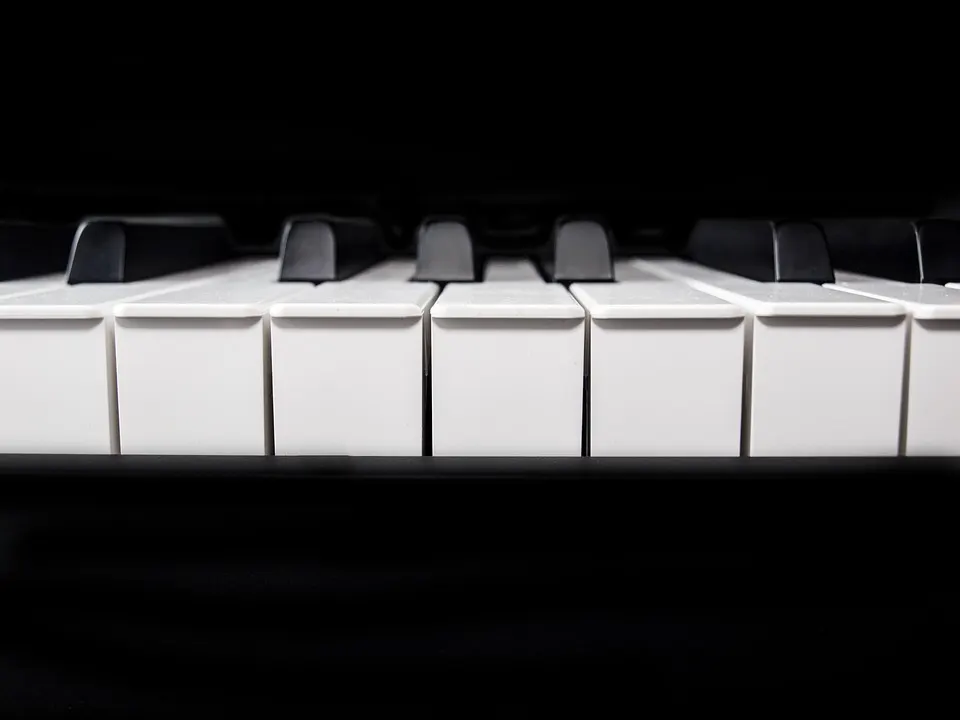
Familiarize yourself with the layout of the keyboard. The pattern of black and white keys repeats every 12 keys. Begin by identifying middle C, which is typically located near the center of the keyboard. Understanding the layout will help you navigate the instrument more effectively.
Reading Sheet Music
Learning to read sheet music is an invaluable skill for any pianist. Start by familiarizing yourself with the treble and bass clefs, note names, and rhythmic values. There are many resources available, including online courses and apps, to help you develop your music reading skills.
Developing a Practice Routine
Consistent practice is key to progress in playing the piano. Establish a routine that fits your schedule and stick to it as much as possible.
Setting Realistic Goals
Set achievable goals for each practice session. Whether it’s mastering a new scale, learning a section of a piece, or improving your sight-reading skills, having clear objectives will keep you motivated and focused.
Incorporating Warm-ups
Start each practice session with warm-up exercises to loosen your fingers and improve your technique. Scales, arpeggios, and finger exercises are excellent ways to build strength and dexterity.
Building Repertoire
As a beginner, it’s important to gradually build a repertoire of pieces that you enjoy playing.
Choosing the Right Pieces
Select pieces that match your skill level. Simple melodies and easy arrangements of popular songs can be a great starting point. As you progress, challenge yourself with more complex pieces to continually improve your skills.
Listening and Imitating
Listening to recordings of the pieces you’re learning can provide valuable insights into phrasing, dynamics, and tempo. Try to imitate these aspects in your playing to enhance your musicality.
Developing Technique
Improving your piano technique will enable you to play with greater precision and expression.
Focus on Fingering
Proper fingering is essential for smooth playing. Pay attention to the suggested finger numbers in your sheet music, and practice difficult passages slowly to ensure accuracy.
Mastering Dynamics
Dynamics refer to the volume and intensity of your playing. Practice playing softly and loudly, and learn to transition smoothly between different dynamic levels. This will add depth and emotion to your performances.
Overcoming Challenges
Every pianist faces challenges along the way. Here are some tips to help you overcome common obstacles.
Dealing with Frustration
It’s natural to feel frustrated at times, especially when learning challenging pieces. Take a break, revisit the basics, or try a different approach to the problem. Patience and perseverance are key to overcoming difficulties.
Staying Motivated
Keep your practice sessions engaging by exploring different styles of music and setting new challenges for yourself. Joining a piano community or taking lessons from a teacher can also provide encouragement and accountability.
Exploring Resources
There are numerous resources available to support your piano learning journey.
Online Lessons and Tutorials
Online platforms offer a wealth of piano lessons and tutorials for beginners. Websites, YouTube channels, and apps provide step-by-step instructions and interactive tools to enhance your learning experience.
Books and Sheet Music
Invest in a few beginner piano books that cover a range of styles and techniques. These books often include exercises, songs, and tips to help you progress.
The Importance of Patience and Persistence
Learning to play the piano is a rewarding journey that requires patience and persistence. Celebrate your progress, no matter how small, and remember that every great pianist started as a beginner.
Conclusion
Starting your piano journey is a thrilling experience that will bring you joy and satisfaction. By choosing the right instrument, establishing a practice routine, and embracing challenges, you will set a solid foundation for your musical development. Remember to enjoy the process, explore different music styles, and most importantly, have fun with your piano playing. With dedication and the right mindset, you’ll be well on your way to becoming a confident and skilled pianist. Happy playing!