The Transformative Power of Music on Global Culture
How music shapes culture worldwide — from social movements and identity to festivals, cross-cultural collaborations and music education.
In this article
Music is a universal language that transcends borders, cultures, and generations. Its ability to connect people and convey emotions is unparalleled, making it a powerful force in shaping societies and cultures around the globe. From ancient tribal rhythms to modern global pop, music has continuously evolved and influenced the way we live, think, and interact with one another. This article explores the transformative power of music on global culture, shedding light on its historical significance, its role in social and political movements, and its impact on cultural identity and globalization.
Historical Significance of Music
Throughout history, music has played a critical role in shaping cultures and societies. In ancient civilizations, music was an integral part of religious ceremonies and rituals. The Greeks, for example, believed that music had the power to heal the soul and bring harmony to the universe. Similarly, in ancient China, music was considered a reflection of the harmony between heaven and earth.
Over the centuries, music continued to evolve, becoming a tool for storytelling and preserving cultural heritage. The oral traditions of many indigenous cultures relied heavily on music to pass down stories, histories, and values from one generation to the next. This not only helped preserve cultural identity but also fostered a sense of community and belonging.
Music as a Catalyst for Social and Political Change
Music has often been at the forefront of social and political movements, serving as a catalyst for change and a voice for the marginalized. In the 20th century, genres like jazz, blues, and rock ‘n’ roll emerged as powerful forms of resistance against racial segregation and discrimination in the United States. Artists like Billie Holiday, Bob Dylan, and Nina Simone used their music to address issues of civil rights and social justice, inspiring millions to take action and demand change.
Similarly, in South Africa, music played a pivotal role in the anti-apartheid movement. Songs like “Nkosi Sikelel’ iAfrika” became anthems of resistance, uniting people across racial and cultural lines in the fight for freedom and equality. The power of these songs lay not just in their lyrics but in their ability to bring people together, instilling hope and resilience in the face of oppression.
Today, music continues to be a powerful tool for activism and social change. In the digital age, artists can reach a global audience with their message, raising awareness about issues like climate change, gender equality, and human rights. Songs like “This Is America” by Childish Gambino and “Formation” by Beyoncé challenge societal norms and encourage listeners to question the status quo.
The Impact of Music on Cultural Identity
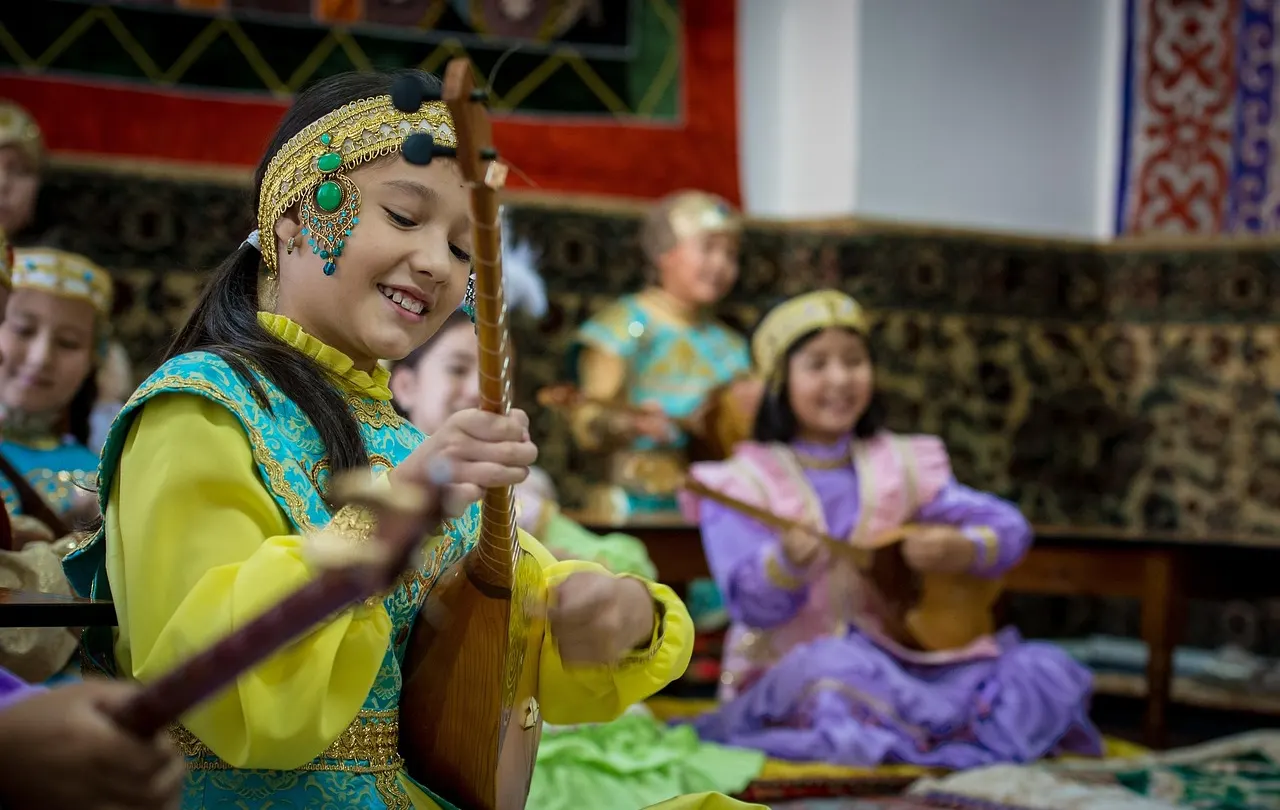
Music is a reflection of cultural identity, shaping and being shaped by the communities from which it originates. It serves as a means of expressing cultural heritage and pride, preserving traditions, and fostering a sense of belonging. For many, music is a way of connecting to their roots and maintaining a link to their cultural past.
In a globalized world, music also plays a crucial role in cultural exchange and dialogue. The fusion of different musical styles and genres has given rise to new, hybrid forms of music that reflect the interconnectedness of our world. Genres like reggae, hip-hop, and electronic dance music have transcended their cultural origins, becoming global phenomena that resonate with people across diverse backgrounds.
This cross-cultural exchange has enriched the global music landscape, fostering greater understanding and appreciation of different cultures. It has also challenged traditional notions of cultural identity, as individuals and communities embrace a more fluid and dynamic understanding of their place in the world.
Music and Globalization
The advent of the internet and digital technology has revolutionized the way music is produced, distributed, and consumed, accelerating the process of globalization. Today, music knows no boundaries, with artists and audiences connected like never before. Platforms like Spotify, YouTube, and SoundCloud have democratized access to music, allowing artists from all corners of the globe to share their work with a worldwide audience.
This increased accessibility has led to the rise of diverse musical genres that blend traditional and contemporary elements, creating new sounds that reflect the multicultural nature of our world. K-pop, for example, has become a global sensation, with its catchy melodies and polished performances capturing the hearts of fans from Seoul to São Paulo. Similarly, Latin music has gained international recognition, with artists like Shakira and J Balvin topping charts and breaking language barriers.
However, the globalization of music also raises questions about cultural appropriation and the commodification of cultural expressions. As music becomes a global product, it is crucial to ensure that the communities and cultures from which it originates are respected and fairly compensated for their contributions.
Music Festivals: A Global Gathering
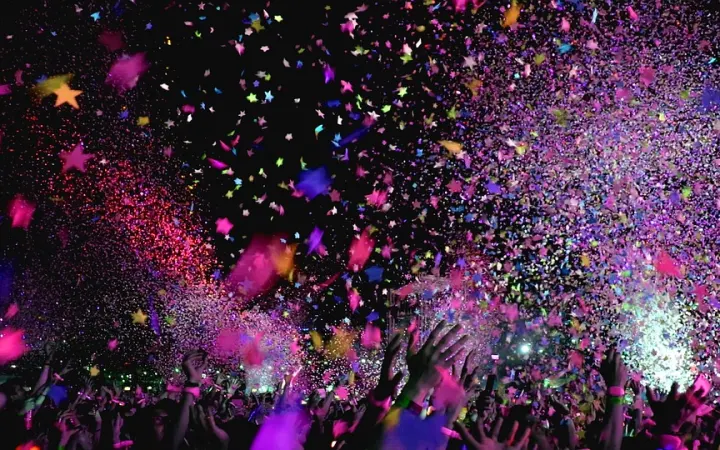
Music festivals have become significant platforms for cultural exchange and celebration. Events like Glastonbury in the UK, Coachella in the US, and Fuji Rock in Japan attract diverse audiences and feature artists from around the world. These festivals provide opportunities for people to experience a multitude of musical traditions, promoting cultural diversity and encouraging dialogue among attendees.
Collaborations and Cross-Cultural Projects
Breaking Down Barriers
Musical collaborations between artists from different cultural backgrounds have resulted in groundbreaking projects that transcend borders. Initiatives like the Silk Road Ensemble, founded by cellist Yo-Yo Ma, bring together musicians from various countries to create music that reflects a tapestry of global influences. Such collaborations break down barriers, fostering mutual respect and understanding among participants and audiences alike.
Technology and Global Connectivity
In the digital age, technology plays a crucial role in facilitating cross-cultural musical collaborations. Online platforms and social media enable artists to connect, share their work, and collaborate across continents. This global connectivity amplifies the reach of music, allowing it to serve as a unifying force in an increasingly interconnected world.
Music Education as a Tool for Cultural Understanding
Music education programs that incorporate diverse musical traditions can play a vital role in promoting cultural understanding. By exposing students to a variety of musical styles, educators can foster appreciation for different cultures and encourage open-mindedness. Programs like El Sistema in Venezuela have demonstrated the transformative power of music education in empowering individuals and communities, highlighting music’s potential to create positive social change.
Music Therapy and Social Well-being
Beyond entertainment, music has therapeutic properties that contribute to social well-being. Music therapy has been shown to alleviate stress, reduce anxiety, and improve mental health. In communal settings, participatory music-making activities can strengthen social bonds and enhance community cohesion, fostering a sense of belonging and purpose.
The Future of Music and Global Culture
As we look to the future, the transformative power of music on global culture shows no signs of waning. Advances in technology, such as virtual reality and artificial intelligence, are opening up new possibilities for musical creation and experience. These innovations have the potential to further blur the lines between cultures and genres, leading to even more dynamic and diverse musical landscapes.
Furthermore, the growing awareness of social and environmental issues is likely to continue influencing the themes and messages present in music. Artists will increasingly use their platforms to advocate for change, inspiring global audiences to engage with the pressing challenges of our time.
In conclusion, music is a powerful force that has the ability to transform cultures and societies. Its historical significance, role in social and political movements, impact on cultural identity, and contribution to globalization highlight its enduring influence on our world. As we continue to navigate an increasingly interconnected and complex global landscape, music will undoubtedly remain a vital tool for fostering understanding, promoting change, and celebrating the rich diversity of human experience.