Top Beginner Instruments for Aspiring Musicians
Guitar, piano, ukulele, violin, drums or flute? Compare the best beginner instruments by difficulty, cost and fun to find your perfect first one.

In this article
Embarking on a musical journey can be an exciting and fulfilling experience. Whether you’re a young student or an adult looking to pick up a new hobby, choosing the right beginner instrument is crucial. The right instrument can inspire enthusiasm and fuel your passion for music. In this article, we will explore some of the top beginner instruments that are perfect for aspiring musicians. From the versatile guitar to the classic piano, each instrument offers unique benefits and challenges, making your musical adventure both rewarding and educational.
Guitar
The guitar is one of the most popular instruments for beginners. Its versatility and widespread availability make it an excellent choice for aspiring musicians. Whether you’re interested in rock, blues, pop, or classical music, the guitar can accommodate a wide range of musical genres.
Why the Guitar?
The guitar is relatively easy to learn, especially for beginners. With just a few chords, you can start playing your favorite songs. Many resources, including online tutorials, books, and apps, are available to help beginners learn at their own pace. Additionally, the guitar is portable, allowing you to practice anywhere.
Types of Guitars for Beginners
For beginners, there are mainly two types of guitars to consider: acoustic and electric. An acoustic guitar is generally recommended as a starting point because it does not require additional equipment like amplifiers. However, if you are drawn to rock or metal music, starting with an electric guitar might be more suitable. Both types have their own distinct sounds and playing techniques, so choose based on your musical interests.
Piano
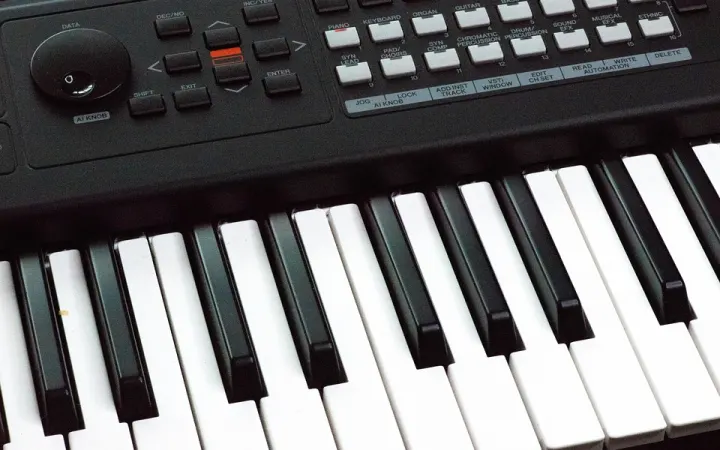
The piano is another fantastic instrument for beginners. It provides a strong foundation in music theory and can be used to play a wide range of music, from classical symphonies to modern pop tunes.
Why the Piano?
The piano is known for its ability to produce a full, rich sound that can stand alone without accompaniment. Learning the piano helps in understanding musical concepts such as harmony, melody, and rhythm. It also improves hand-eye coordination and cognitive skills. The layout of the keyboard makes it easier to visualize musical concepts, which is beneficial for beginners.
Types of Pianos for Beginners
Beginners typically start with a digital piano or a keyboard. These instruments are more affordable and space-efficient than acoustic pianos. They also come with features like volume control and headphone jacks, making them suitable for practice in various environments. As you progress, you might consider investing in an acoustic piano to further enhance your playing experience.
Violin
The violin is a beautiful and expressive instrument, perfect for those who are drawn to classical or folk music. It is known for its rich, emotive sound and is a staple in orchestras and ensembles worldwide.
Why the Violin?
Learning the violin can be challenging, but it is also highly rewarding. It teaches discipline and perseverance, as it requires precise finger placement and bowing techniques. Playing the violin improves your ear for music and enhances your ability to read musical notes. Moreover, the violin’s relatively small size makes it easy to transport.
Choosing a Beginner Violin
When selecting a beginner violin, consider factors such as size and quality. Violins come in different sizes, so it’s important to choose one that fits comfortably. A beginner should also consider renting a violin before committing to a purchase, as it allows for flexibility as you grow into the instrument.
Drums
Drums are an exciting choice for beginners who are rhythmically inclined. They form the backbone of many musical genres, including rock, jazz, and pop.
Why the Drums?
Drumming is a highly physical activity that can be a great outlet for energy. It improves your sense of timing and rhythm, which is crucial for any musician. Drumming also enhances coordination and motor skills, as it requires the use of both hands and feet.
Types of Drums for Beginners
Beginners can start with a basic drum kit, which typically includes a bass drum, snare drum, cymbals, and tom-toms. If space or noise is a concern, consider starting with an electronic drum set. These sets allow for volume control and offer a variety of sound options, making them versatile for practice and performance.
Flute
The flute is a popular woodwind instrument known for its melodic and soothing tones. It is an excellent choice for beginners interested in classical, jazz, or even contemporary music.
Why the Flute?
Playing the flute can enhance breath control and lung capacity. It is relatively lightweight and portable, making it easy to carry to lessons or practice sessions. The flute is also a great instrument for developing music reading skills and ear training.
Choosing a Beginner Flute
When selecting a beginner flute, consider starting with a student model, which is designed to be more durable and easier to play. It’s important to ensure the flute is well-maintained and in good working order, as any mechanical issues can hinder learning.
Ukulele
The ukulele is a fun and accessible instrument that has gained popularity in recent years. It is ideal for beginners due to its small size and simple chord structures.
Why the Ukulele?
The ukulele is easy to learn and play, making it perfect for beginners of all ages. Its four strings and simple chord patterns allow new musicians to start playing songs quickly. Additionally, the ukulele’s cheerful sound makes it a favorite for sing-alongs and casual performances.
Types of Ukuleles for Beginners
There are four main types of ukuleles: soprano, concert, tenor, and baritone. For beginners, the soprano ukulele is often recommended due to its smaller size and traditional sound. However, if you have larger hands, you might prefer a concert or tenor ukulele for a more comfortable playing experience.
Conclusion
Choosing the right beginner instrument can significantly impact your musical journey. Each of the instruments mentioned offers unique benefits and challenges, allowing you to develop a wide range of skills. Whether you choose the versatile guitar, the foundational piano, or the expressive violin, remember that the key to success is consistent practice and a passion for music. As you progress, you may find yourself exploring other instruments and expanding your musical repertoire. So, pick up an instrument, start playing, and enjoy the wonderful world of music!