Ultimate Dynamic Microphone Guide: Top Picks & Tips
Everything about dynamic microphones: how they work, standout models like the SM7B and SM58, and tips for choosing and using one well.

In this article
Dynamic microphones are an essential tool in the arsenal of any musician, podcaster, or live sound engineer. Known for their durability, versatility, and affordability, dynamic microphones are the go-to choice for many recording and live performance situations. In this comprehensive guide, we will explore the characteristics that make dynamic microphones indispensable, highlight our top picks, and provide tips on how to choose and use them effectively.
Understanding Dynamic Microphones
How Dynamic Microphones Work
Dynamic microphones operate using a diaphragm attached to a coil of wire, placed within a magnetic field. When sound waves hit the diaphragm, it moves the coil, creating an electrical signal that corresponds to the sound. This simple yet effective design makes dynamic microphones robust and capable of handling high sound pressure levels.
Key Characteristics
Dynamic microphones are known for their ability to handle high volume levels without distortion, making them ideal for capturing loud sound sources like drums and guitar amplifiers. They tend to have a less sensitive response to high frequencies compared to condenser microphones, which can be beneficial in noisy environments or when recording sources with harsh high-end frequencies.
Top Picks for Dynamic Microphones
Shure SM58
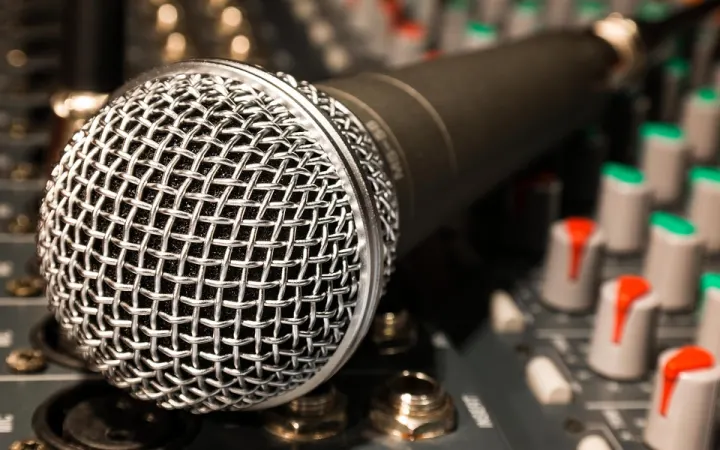
The Shure SM58 is arguably the most iconic dynamic microphone in the world. Renowned for its reliability and performance, the SM58 is often the first choice for vocalists and live sound engineers. Its tailored vocal response and built-in spherical wind and pop filter make it an excellent choice for live performances.
Sennheiser e835
The Sennheiser e835 is a dynamic microphone that offers a clear and balanced sound, making it perfect for both live and studio applications. With a durable metal construction and a cardioid pickup pattern, it effectively isolates the main sound source and minimizes background noise.
Electro-Voice RE20
The Electro-Voice RE20 is a professional-grade dynamic microphone widely used in broadcast and studio environments. Its Variable-D design minimizes proximity effect, providing a consistent tonal response regardless of distance from the microphone. This characteristic, along with its flat frequency response, makes it ideal for voice and instrument recording.
Audio-Technica ATM650
The Audio-Technica ATM650 is a versatile microphone designed for capturing instruments with precision. Its hypercardioid pattern provides excellent off-axis rejection, making it suitable for use in loud environments. The ATM650 is a great choice for miking snare drums, guitar cabinets, and other instruments.
Tips for Choosing the Right Dynamic Microphone
Consider the Application
When selecting a dynamic microphone, consider the primary application. Are you using it for live vocals, podcasting, or instrument recording? Different microphones excel in different scenarios. For instance, the Shure SM58 is perfect for live vocals, whereas the Electro-Voice RE20 is better suited for broadcasting.
Evaluate Durability and Build Quality
Dynamic microphones are known for their durability, but some are more rugged than others. If you’re on the road frequently or need a microphone that can withstand harsh conditions, choose one with a robust construction and a solid reputation for reliability.
Understand Pickup Patterns
Dynamic microphones typically feature cardioid or hypercardioid pickup patterns, which determine how they capture sound from different directions. Cardioid microphones pick up sound primarily from the front, reducing unwanted noise from the sides and rear. Hypercardioid microphones offer even more focused pickup, which can be advantageous in noisy environments.
Tips for Using Dynamic Microphones Effectively
Proper Positioning
Positioning is crucial when using dynamic microphones. For vocals, keep the microphone close to the mouth, but be mindful of the proximity effect, which can boost bass frequencies. For instruments, experiment with different angles and distances to find the sweet spot that captures the desired sound.
Managing Proximity Effect
The proximity effect is a common phenomenon with dynamic microphones, where bass frequencies are enhanced when the sound source is close to the microphone. While this can add warmth to vocals or instruments, it can also lead to muddiness. Adjust the distance to control this effect.
Using Windscreens and Pop Filters
To mitigate plosives and wind noise, consider using windscreens or pop filters. These accessories help to diffuse strong gusts of air before they reach the microphone diaphragm, ensuring a cleaner recording.
Conclusion
Dynamic microphones are a staple in the world of audio recording and live sound due to their durability, versatility, and ability to handle high sound pressure levels. Whether you’re a seasoned professional or a beginner, understanding the features, applications, and proper usage of dynamic microphones will greatly enhance your audio projects. By selecting the right microphone for your needs and employing effective usage techniques, you can achieve excellent sound quality in any setting.