
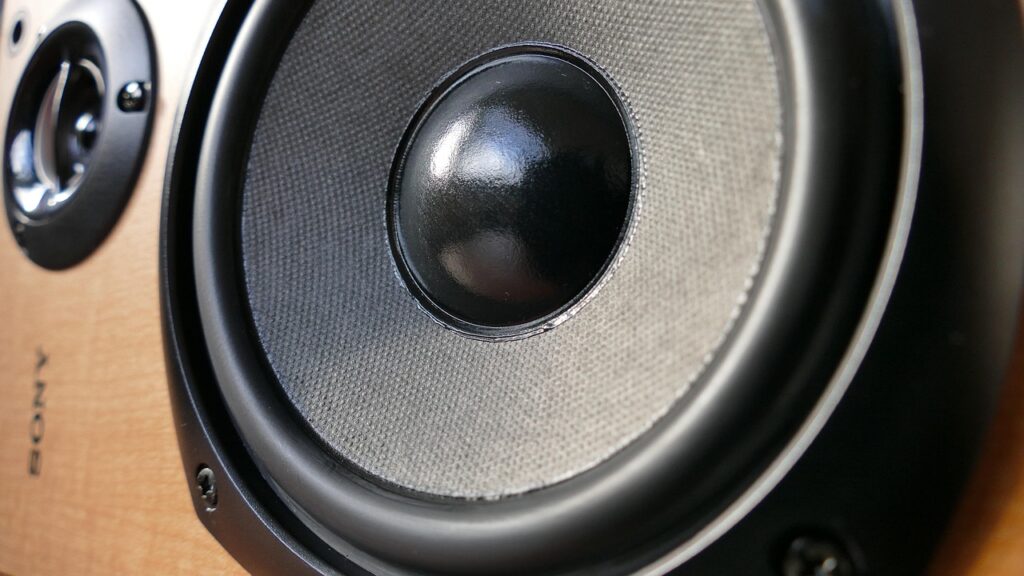
When it comes to music production, mixing, or any audio-related work, having a reliable set of studio monitor speakers is essential. These speakers are designed to provide an accurate and uncolored representation of your audio, allowing you to make precise adjustments to your mix. Choosing the right set of studio monitor speakers can be a daunting task, given the myriad of options available on the market. This guide aims to help you navigate through the essential considerations and features to look for when selecting studio monitor speakers that best suit your needs.
Understanding Studio Monitor Speakers
Studio monitors differ from regular speakers in that they are engineered to deliver a flat frequency response. This means they do not exaggerate or attenuate certain frequencies, providing a true representation of your sound. This accuracy is crucial for producers and engineers who need to hear every detail of their mix to make informed decisions.
Active vs. Passive Studio Monitors
One of the first decisions to make when choosing studio monitors is whether to go with active or passive speakers.
Active Studio Monitors
Active monitors have built-in amplification, which means each speaker has its own power source. This configuration is convenient as it eliminates the need for an external amplifier and ensures that the built-in amp is perfectly matched to the speaker’s drivers. Most modern studio monitors are active due to their simplicity and ease of setup.
Passive Studio Monitors
Passive monitors require an external amplifier to drive the speakers. While this adds complexity to the setup, it allows for more flexibility in terms of customizing and upgrading your audio chain. Some audiophiles prefer passive monitors for this reason, but they are generally less common in professional studio environments.
Size and Placement Considerations
The size of your studio monitors will significantly impact their performance and suitability for your workspace.
Speaker Size
Studio monitors come in various sizes, typically measured by the diameter of the woofer. Common sizes include 5″, 6″, 8″, and larger. The size of the speaker affects the frequency range it can handle, especially in the lower frequencies. Larger speakers tend to have better bass response, making them suitable for larger rooms. However, smaller monitors can be more appropriate for near-field listening in smaller studios.
Room Size and Acoustics
Consider the size and acoustics of your room when selecting monitor speakers. In a small room, large monitors may produce excessive bass, leading to inaccurate mixes. Conversely, small monitors in a large space may struggle to fill the room with sound. Room treatment, such as bass traps and diffusers, can also help improve the acoustics and the performance of your monitors.
Frequency Response and Sound Quality
The frequency response of a studio monitor refers to the range of frequencies it can reproduce. Ideally, you want a speaker with a wide and flat frequency response to ensure accuracy across the entire audio spectrum.
Low, Mid, and High Frequencies
– **Low Frequencies (Bass):** Look for monitors with a good bass response, especially if you work with genres that rely heavily on low-end sounds. Some monitors come with ports or passive radiators to enhance bass performance.
– **Mid Frequencies:** The midrange is crucial for vocals and most instruments. Ensure the monitors provide clear and detailed mids without any muddiness.
– **High Frequencies (Treble):** Crisp and well-defined highs are essential for hearing the details in cymbals, hi-hats, and other high-frequency sounds. A smooth high-end response can prevent ear fatigue during long mixing sessions.
Connectivity and Features
Consider the connectivity options and additional features that may enhance your studio setup.
Inputs
Most studio monitors offer balanced XLR and TRS inputs, which help reduce noise and interference. Some models also include RCA inputs for connecting to consumer audio equipment. Ensure the monitors you choose are compatible with your audio interface or mixer.
Room Correction and EQ Controls
Some studio monitors come with built-in room correction and EQ controls, allowing you to adjust the frequency response to suit your room’s acoustics. These features can be beneficial in achieving a balanced sound in less-than-ideal environments.
Budget Considerations
Studio monitors come in a wide range of prices, from budget-friendly options to high-end professional models. While it’s tempting to go for the most expensive option, it’s crucial to find a balance between quality and affordability.
Entry-Level Monitors
For beginners or those on a tight budget, there are many affordable options that offer decent sound quality. Brands like KRK, JBL, and PreSonus provide entry-level monitors that are well-regarded in the music production community.
Mid-Range Monitors
Mid-range monitors offer a significant step up in terms of sound quality and build. Options from brands like Yamaha, Mackie, and Adam Audio provide excellent value for money and are suitable for semi-professional studios.
High-End Monitors
For professional studios, investing in high-end monitors from brands like Genelec, Focal, and Neumann can provide unparalleled accuracy and detail, though they come with a higher price tag.
Testing and Evaluation
Once you’ve narrowed down your options, it’s essential to test the monitors before making a purchase.
Listening Environment
If possible, listen to the monitors in a controlled environment that resembles your studio setup. This will give you a better sense of how they will perform in your space.
Reference Tracks
Bring along a selection of reference tracks that you are familiar with. These tracks should cover a range of genres and frequencies to test the monitors’ capabilities.
Conclusion
Choosing the right studio monitor speakers is a critical step in achieving professional-quality audio productions. By considering factors such as active vs. passive designs, size, frequency response, connectivity, and budget, you can find the perfect monitors to suit your needs. Remember, the most expensive option is not always the best; focus on finding monitors that provide accuracy, detail, and reliability for your specific environment and workflow. With the right studio monitors, you’ll be well on your way to creating mixes that translate well across all listening platforms.
#ChatGPT assisted in the creation of this article.


