Optimize Your Home Studio with Top Equipment Essentials
Build a home studio that sounds great: choosing the room, the essential gear list, and simple acoustic treatment with bass traps and panels.
In this article
In recent years, the concept of a home studio has transformed from a luxury to a necessity for many musicians, podcasters, and content creators. With advancements in technology, it’s now possible to set up a professional-quality studio right in the comfort of your home. However, the key to achieving high-quality production lies in selecting the right equipment. This article will guide you through the essential gear needed to optimize your home studio, ensuring you achieve the best sound possible.
Choosing the Right Location
Before delving into equipment, the first step is selecting the right location for your home studio. Ideally, choose a quiet room with minimal external noise and good acoustics. Basements, spare bedrooms, or dedicated rooms away from busy areas of the home are often ideal. The room’s size and shape can impact sound quality, so consider using acoustic treatment to manage reflections and absorb excess noise.
Essential Equipment for Your Home Studio
1. Audio Interface
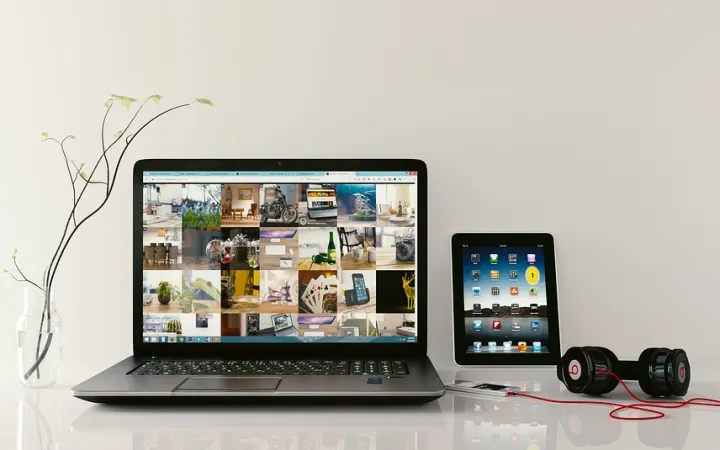
An audio interface is the heart of any home studio. It serves as the bridge between your instruments/microphones and your computer. When choosing an audio interface, consider the number of inputs and outputs you require, the quality of the preamps, and compatibility with your computer’s operating system. Popular options include the Focusrite Scarlett series, Universal Audio Apollo, and PreSonus AudioBox.
2. Digital Audio Workstation (DAW)
A DAW is the software you use to record, edit, and produce your audio. It’s crucial to choose a DAW that suits your workflow and has the features you need. Pro Tools, Logic Pro X, Ableton Live, and FL Studio are some of the leading DAWs in the industry. Consider trial versions to see which one aligns best with your needs before making a purchase.
3. Microphones
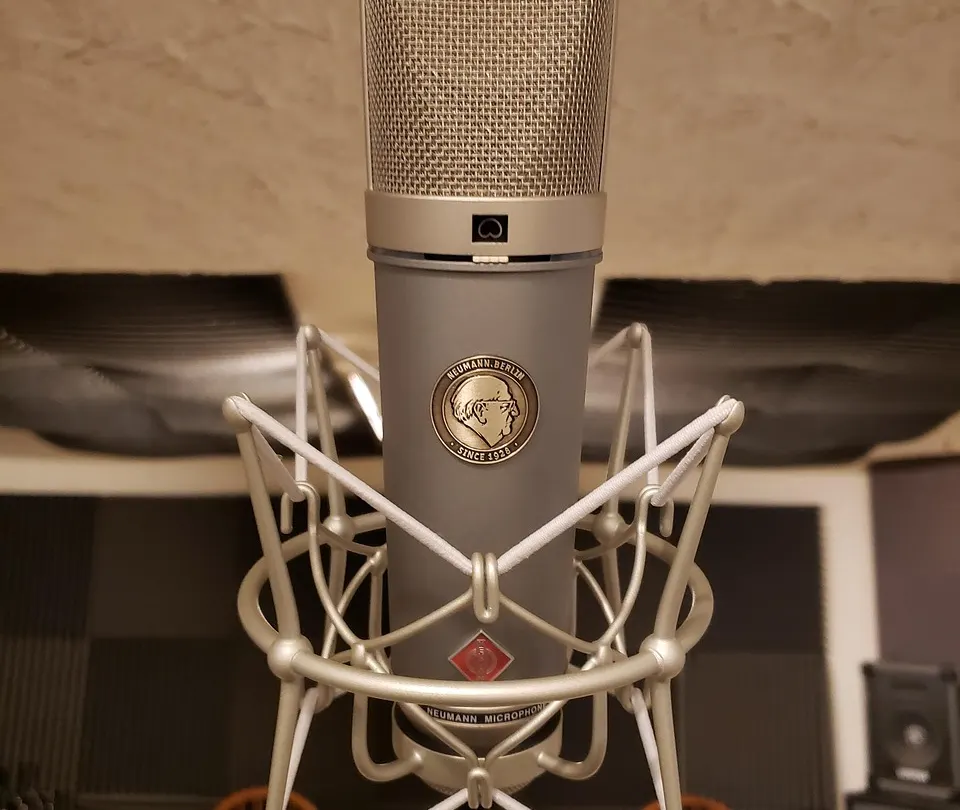
A quality microphone is essential for capturing clear and detailed audio. Dynamic microphones, like the Shure SM58, are excellent for live vocals and instruments, while condenser microphones, such as the Audio-Technica AT2020, are perfect for studio vocals and acoustic instruments. Depending on your needs, you may also consider a ribbon microphone for its warm sound characteristics.
4. Studio Monitors
Studio monitors provide an accurate representation of your audio, allowing you to make precise mixing decisions. Unlike consumer speakers, studio monitors have a flat frequency response, ensuring you hear the true sound of your recordings. Yamaha HS8 and KRK Rokit series are popular choices among professionals. Ensure your monitors are appropriately positioned and consider adding monitor stands or isolation pads for optimal performance.
5. Headphones
While studio monitors are crucial, a good pair of studio headphones is equally important for detailed listening and mixing. Closed-back headphones, like the Beyerdynamic DT 770 Pro, are great for recording as they prevent sound leakage, while open-back headphones, such as the Sennheiser HD 650, offer a more natural sound for mixing.
6. MIDI Controller
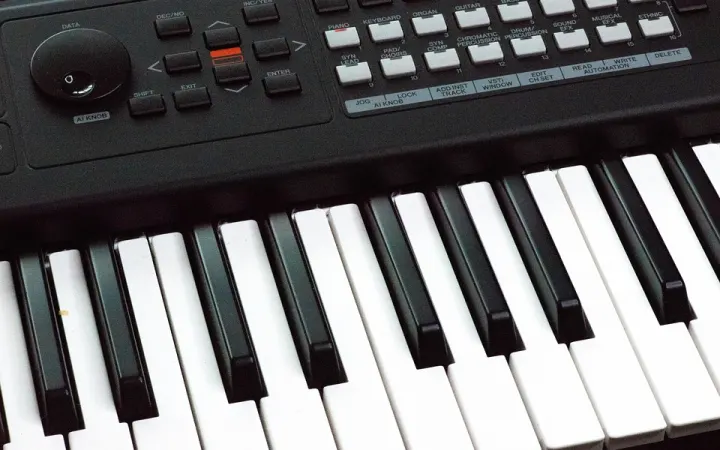
A MIDI controller is indispensable for anyone working with virtual instruments or producing electronic music. It allows you to play and control your DAW’s software instruments. The Akai MPK Mini and Novation Launchkey are versatile and popular choices, offering a range of features like drum pads, faders, and knobs for enhanced control.
7. Cables and Accessories
High-quality cables are crucial for maintaining signal integrity. Invest in reliable XLR cables for microphones and balanced TRS cables for your audio interface and monitors. Additionally, having a variety of adapters, pop filters for microphones, and a sturdy microphone stand can greatly enhance your recording process.
Enhancing Your Studio with Acoustic Treatment
Acoustic treatment is essential for achieving a professional sound in your home studio. It helps to control reflections, echoes, and standing waves, resulting in a cleaner and more accurate sound. Here are some key elements of acoustic treatment:
Bass Traps
Bass traps are designed to absorb low-frequency sound waves that can cause a room to sound boomy or muddy. Placing bass traps in the corners of your studio can significantly improve the clarity of your sound.
Acoustic Panels
Acoustic panels help to absorb mid to high-frequency reflections, reducing reverb and echo in your studio. Place these panels on the walls and ceiling at reflection points to achieve a balanced acoustic environment.
Diffusers
Diffusers scatter sound waves, reducing the likelihood of standing waves and providing a more even sound distribution. They are particularly useful in larger spaces where sound can become too focused.
Conclusion
Optimizing your home studio with the right equipment is a crucial step towards achieving professional-quality audio production. By investing in essential gear such as an audio interface, DAW, microphones, and studio monitors, you can create a space that fosters creativity and enhances your projects. Additionally, implementing acoustic treatment can further refine your sound, allowing you to produce recordings that rival those made in professional studios. With these essentials in place, your home studio will be ready to support your musical journey, whether you’re recording your next album or launching a new podcast.